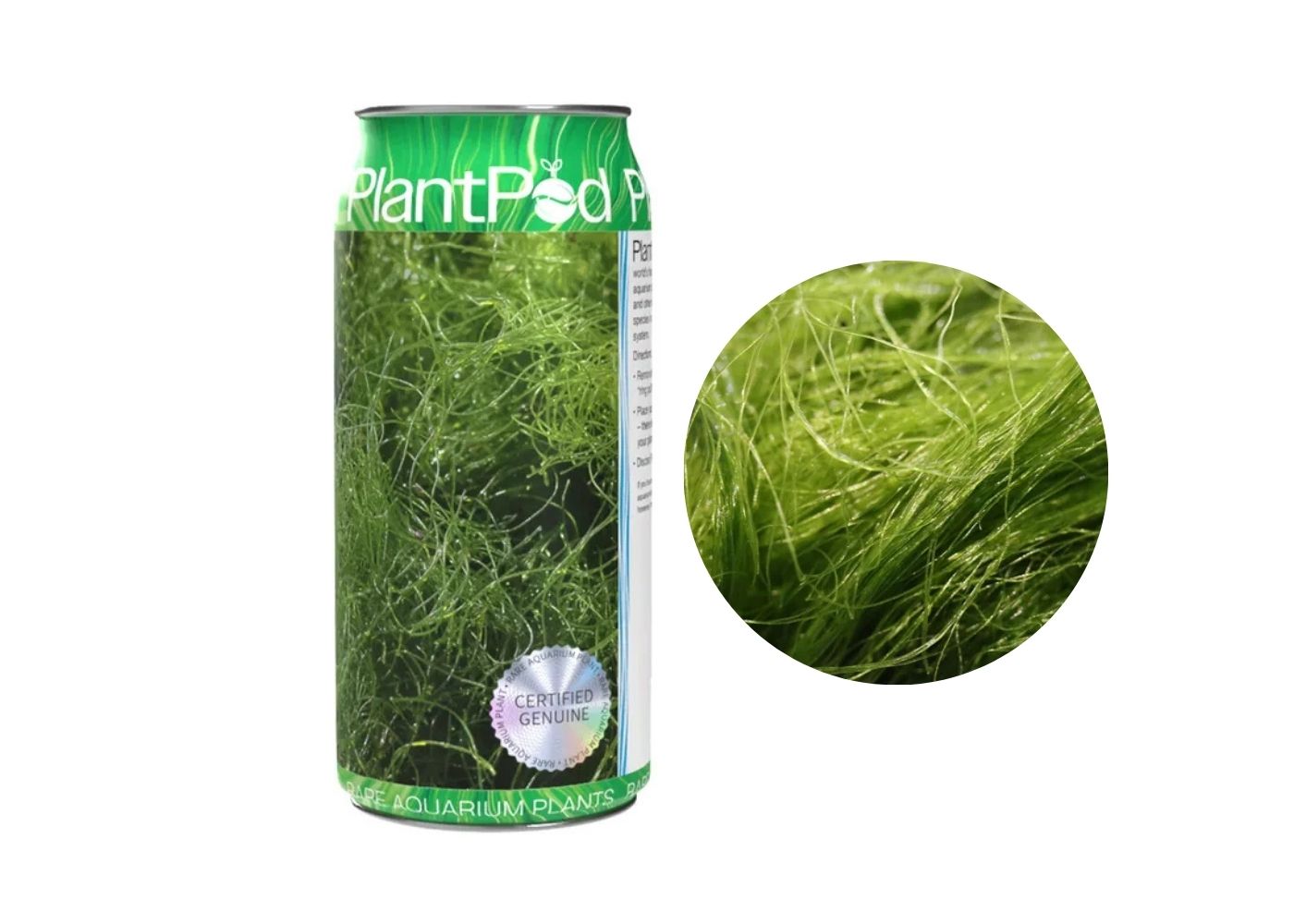
Aqua Natural Plant Pod Live Angel Hair Seaweed
A$39.95
A$39.95
Default Title
Description
Seaweed-Eating Saltwater Fish
In saltwater aquariums, seaweed and macroalgae are essential food sources. Many herbivorous fish, such as tangs and rabbitfish, depend on seaweed for daily nutrition, while omnivores like angelfish and clownfish use it as a healthy supplement. Offering live seaweed (Ulva, Gracilaria, Chaetomorpha, etc.) keeps your fish healthy, colorful, and active — and helps prevent them from grazing on corals.
1. Tangs & Surgeonfish (Acanthuridae)
Examples: Yellow Tang, Blue Tang, Kole Tang, Sailfin Tang
Among the most enthusiastic seaweed grazers
2. Rabbitfish (Siganidae)
Examples: Foxface Rabbitfish and related species
Constant grazers, thrive on live macroalgae in the tank
3. Angelfish (Pomacanthidae)
Examples: Regal, Queen, Emperor, Flame, Coral Beauty
Omnivorous — eat seaweed along with sponges and meaty foods
4. Blennies (Blenniidae)
Examples: Lawnmower Blenny, Tailspot Blenny, Bicolor Blenny
Specialized algae grazers that benefit from live seaweed growth in the tank
5. Wrasses (some species)
Most are carnivorous, but Halichoeres wrasses and a few others nibble on seaweed occasionally
6. Damselfish & Clownfish
Omnivores that sometimes eat seaweed or pick at live algae
7. Butterflyfish (some species)
A few species will eat seaweed in captivity, but most prefer corals and invertebrates
8. Herbivorous Gobies
Certain species graze live algae regularly, especially in tanks with natural macroalgae growth
Fish Group
Role of Seaweed
Notes
Tangs & Surgeonfish
Primary food source
Need constant access to live macroalgae
Rabbitfish
Primary food source
Strong grazers, thrive with live seaweed
Blennies
Primary food source
Especially lawnmower and algae blennies
Angelfish
Supplemental
Combine with sponges and meaty foods
Wrasses (some)
Supplemental
Only certain species eat it occasionally
Damselfish & Clownfish
Supplemental
Opportunistic grazers, not reliant on it
Butterflyfish (some)
Supplemental/rare
Most prefer corals/invertebrates
Herbivorous Gobies
Supplemental/primary
Varies by species; some graze constantly
Grow live macroalgae (Ulva, Gracilaria, Caulerpa, Chaetomorpha) in a refugium or directly in the display tank
Provide a mix of red, green, and brown live seaweeds for balanced nutrition
Anchor live seaweed to rocks or substrate so fish can graze naturally
Maintain strong lighting and good water flow to keep macroalgae healthy
Live seaweed not only feeds your fish but also improves water quality by absorbing excess nutrients, helping reduce algae blooms and keeping your reef tank balanced.
Freshwater Fish That Eat Seaweed
While seaweed is mostly used in saltwater tanks, many freshwater fish benefit from algae, spirulina, and plant-based foods. Some rely on it as a primary food source, while others eat it as a supplement.
Plecos – Famous algae grazers, thrive on algae wafers and veggies.
Otocinclus Catfish – Small, peaceful algae eaters.
Siamese Algae Eaters – Love filamentous algae.
Mollies, Guppies & Endlers – Omnivores that graze on algae and biofilm.
Goldfish – Constant grazers; enjoy algae, spirulina, and blanched veggies.
Mbuña Cichlids – Natural algae grazers from African Rift Lakes.
Platies & Swordtails – Opportunistic algae nibblers.