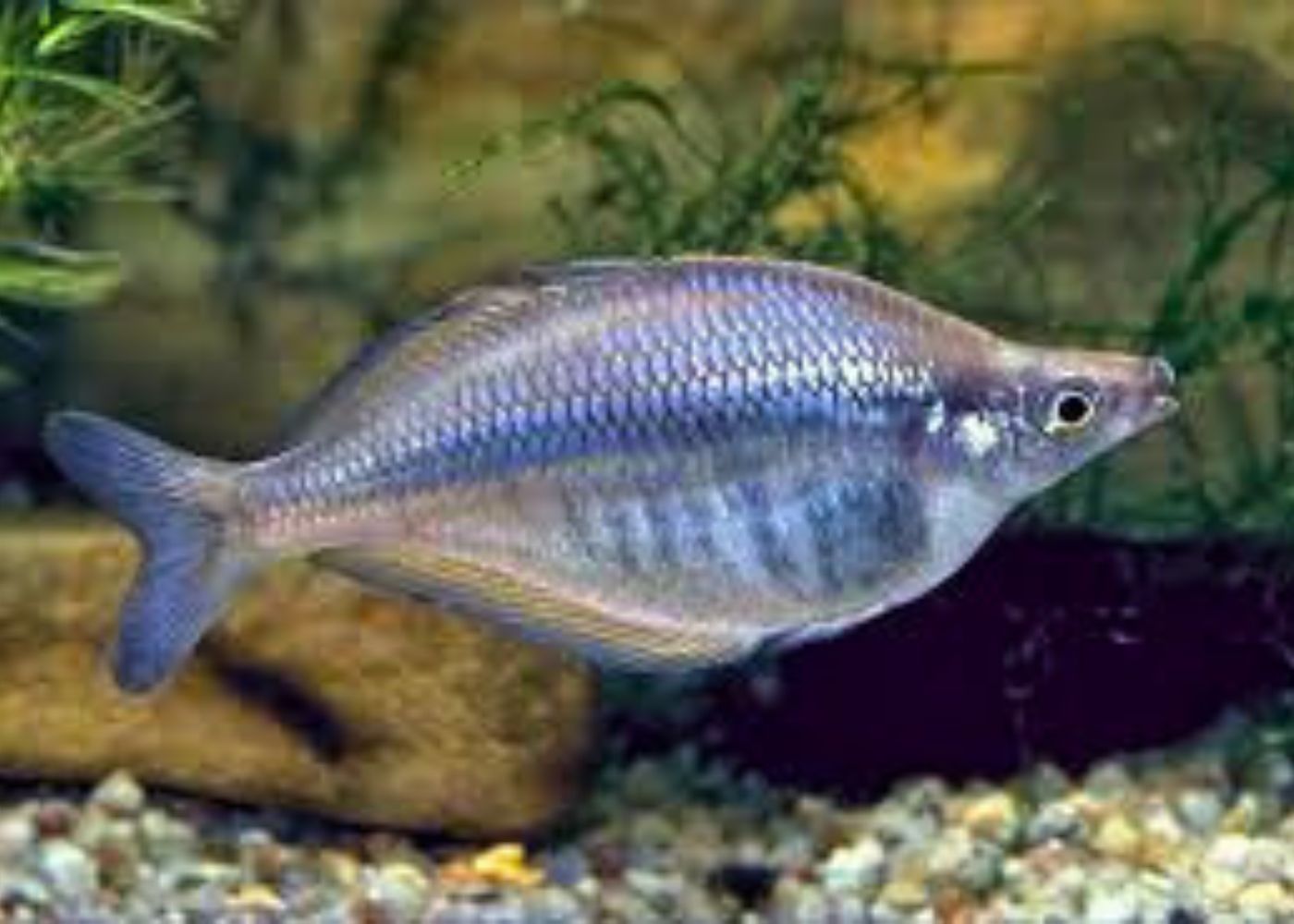
Barred Rainbow - Clearwater Ck. C. fasciata
A$34.95
A$34.95
4-6cm
Description
The Barred Rainbowfish from Clearwater Creek, Cairnsichthys fasciatus, is a brilliantly patterned freshwater species endemic to the wet tropics of northeastern Queensland, Australia. Known for its prominent vertical barring and reflective scales, this species is best appreciated in well-oxygenated aquariums that simulate the shallow, clear-water streams of its native habitat. Due to its limited range and conservation sensitivity, maintaining stable, clean water conditions is crucial to the long-term health of this active and social rainbowfish.
Features of Barred Rainbow – C. fasciata
• Grows to around 7–8 cm in length
• Displays distinct dark vertical bars over a silvery-gold body
• Males exhibit stronger colour contrasts, especially during breeding
• Active schooling behaviour; thrives in groups of 6 or more
• Prefers cool, highly oxygenated environments with consistent flow
The best aquarium size for Barred Rainbow
A minimum tank volume of 120 litres is recommended for a small school. A tank length of at least 90 cm is ideal to provide adequate swimming space and reduce territorial behaviour. Keeping them in larger groups enhances natural interactions and colour display.
Tank Mate Compatibility for Barred Rainbow
• Pacific Blue-eye
• Empire Gudgeon
• Threadfin Rainbowfish
• Riffle Shrimp
• Spotted Blue-eye
Diet for Barred Rainbow
An omnivorous feeder, the Barred Rainbow benefits from a mixed diet of micro pellets, high-quality flakes, and frozen or live foods such as daphnia, mosquito larvae, and brine shrimp. Supplementing with spirulina-based or algae wafers helps support digestive health and maintain vibrant colours.
Aquarium Setup Barred Rainbow – C. fasciata
Aquarium Filtration
Use a high-efficiency filter that produces moderate to strong flow, such as a canister or powerhead system. Clean, oxygen-rich water is essential, so regular maintenance and water changes are key.
Aquarium Plants
Incorporate native-style planting with fast-growing species like Water Sprite, Vallisneria, or Pennywort. Plants should be arranged to allow open swimming channels and dappled light.
Aquarium Lighting
Use full-spectrum LED lighting to simulate natural daylight. Moderate lighting enhances the fish’s reflective scales without overstimulating algae growth.
Aquarium Heating
Maintain stable temperatures between 20°C and 24°C. This species is sensitive to temperature extremes; a precise, adjustable heater is essential in cooler environments.
Aquarium Substrate
Use fine gravel or sandy substrates to replicate natural creek beds. Light to neutral-toned substrates help reflect ambient light and show off the fish’s coloration.
Aquarium Decorations
Incorporate natural hardscape elements such as river stones, driftwood, and leaf litter to recreate stream habitat. Provide areas of gentle current, clear swimming space, and shaded retreats for a natural and stress-free environment.