Checkerboard Cichlid
A$12.95
A$12.95
5-7cm
Description
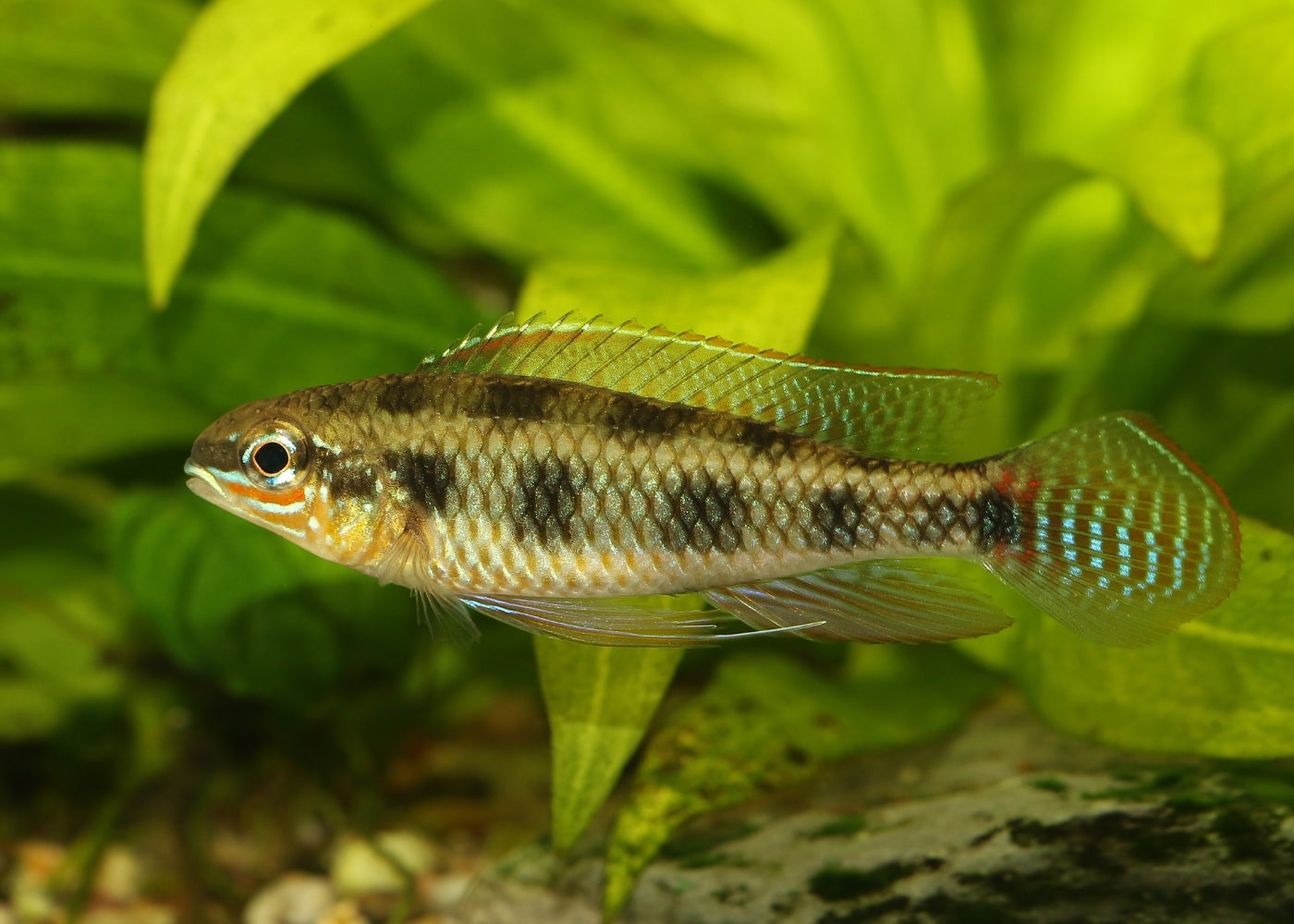
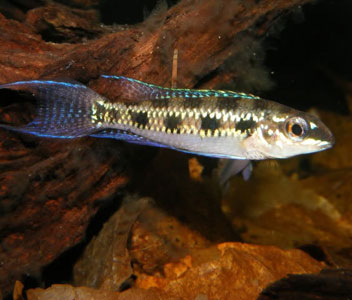
The Checkerboard Cichlid (Coptodon rendalli) is a robust and visually striking freshwater fish native to African lakes and rivers. Known for its distinctive checkerboard pattern and hardy nature, this cichlid is a popular choice for aquarists seeking an active and attractive species with manageable care requirements.
Features of Checkerboard Cichlid
Grows up to 30 cm in length
Exhibits a distinctive checkerboard pattern of dark spots on a lighter body
Strong, laterally compressed body with a prominent head and mouth
Moderately aggressive and territorial, especially during breeding
Adaptable to a variety of water conditions
The Best Aquarium Size for Checkerboard Cichlid
A minimum aquarium size of 300 litres is recommended to accommodate their size and active swimming behaviour.
Tank Mate Compatibility for Checkerboard Cichlid
Best housed with similarly sized, robust fish such as:
Larger South American cichlids
Silver Dollars
Plecos
Larger catfish species
Other robust African cichlids
Avoid small or overly passive fish that may become stressed or prey.
Diet for Checkerboard Cichlid
Omnivorous diet including high-quality pellets or flakes, supplemented with live or frozen foods such as bloodworms, shrimp, and occasional vegetable matter.
Aquarium Setup for Checkerboard Cichlid
Aquarium Filtration
Strong mechanical and biological filtration is necessary to maintain water quality due to their size and waste production.
Aquarium Plants
Robust plants may be tolerated but often will be uprooted; artificial plants or hardy species attached to rocks are preferred.
Aquarium Lighting
Moderate lighting helps display their distinctive pattern without causing stress.
Aquarium Heating
Maintain water temperatures between 24°C and 28°C to replicate their tropical environment.
Aquarium Substrate
Sand or fine gravel substrate is ideal to facilitate natural digging behaviour.
Aquarium Decorations
Provide sturdy rocks, driftwood, and caves to establish territories and offer hiding spots, which help reduce aggression and promote natural behaviour.