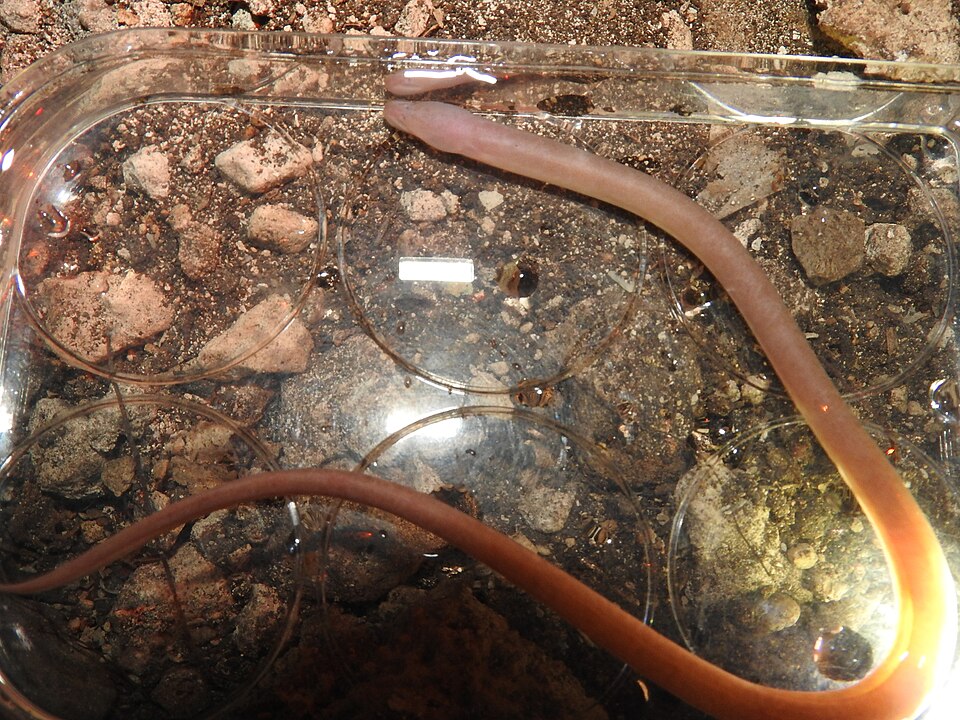
Eel - Swamp -Ophisternon
A$99.95
A$99.95
5-10cm
Description
Ophisternon bengalense, commonly referred to as the Swamp Eel, is a fascinating, elongated freshwater fish found in slow-moving or stagnant waters throughout South and Southeast Asia. Often mistaken for a true eel, this species belongs to the Synbranchidae family and is known for its ability to survive in low-oxygen environments, even burrowing into mud during dry seasons. Due to its secretive nature and nocturnal habits, it remains a rare but intriguing addition to specialist aquaria.
Features of the Ophisternon Swamp Eel
Grows up to 100 cm in length in the wild; typically 60–80 cm in captivity
Elongated, cylindrical, scaleless body with reduced or absent fins
Brown to olive coloration, aiding camouflage in murky waters
Breathes air through a modified pharynx, enabling survival in hypoxic conditions
Exhibits a secretive, burrowing lifestyle and is primarily nocturnal
The best aquarium size for the Ophisternon Swamp Eel
A minimum tank size of 300 litres is required for a single adult. A larger footprint (at least 120 cm in length) is important to allow natural movement and burrowing. Ensure a secure lid, as the species is a known escape artist.
Tank Mate Compatibility for the Ophisternon Swamp Eel
Tank mates should be chosen with care due to the eel’s predatory and territorial tendencies. Suitable companions include robust, fast-moving, or upper-water species:
Silver Dollars
Clown Loach
Bichir
Firemouth Cichlid
Spotted Raphael Catfish
Diet for the Ophisternon Swamp Eel
This species is carnivorous and should be offered a protein-rich diet:
Live or frozen foods such as bloodworms, earthworms, and prawns
Chopped fish or mussel meat
Sinking carnivore pellets as a supplement
Feeding should occur during twilight or evening hours to align with its natural behaviour.
Aquarium Setup Ophisternon Swamp Eel
Aquarium Filtration
Use a powerful external filter to maintain excellent water quality, but avoid excessive flow. The species prefers slow-moving water with minimal surface disturbance.
Aquarium Plants
Live plants are often uprooted due to burrowing. Use floating plants or hardy rooted species in pots, such as Java fern or Anubias.
Aquarium Lighting
Low lighting or dimmed conditions are preferred to accommodate its nocturnal activity. Use subdued LED lighting or create shaded areas with floating plants.
Aquarium Heating
Maintain a stable temperature between 24°C and 28°C. Stability is key, as the species is sensitive to sudden fluctuations.
Aquarium Substrate
A soft, sandy substrate is essential to allow burrowing. Avoid coarse gravel, which can injure the eel’s delicate skin.
Aquarium Decorations
Provide PVC tubes, driftwood, and stone caves for hiding. Decorations should be stable and allow for secure retreats. Ensure all decor has no sharp edges.