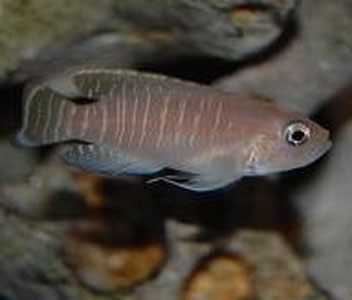
Neolamprologus Brevis
A$29.95
A$29.95
2.5-3cm
Description
The Neolamprologus brevis is a small, shell-dwelling cichlid native to the sandy, shell-strewn shallows of Lake Tanganyika. Renowned for its unique behaviour of living and breeding inside empty snail shells, this species is a favourite among aquarists interested in observing naturalistic behaviours in a compact, manageable setup.
Features of Neolamprologus brevis
Reaches up to 5–6 cm in length
Pale, silvery body with subtle horizontal striping and iridescent sheen
Males are slightly larger than females, with extended dorsal and anal fins
Peaceful and relatively shy, especially compared to other cichlids
Exhibits strong pair bonding and fascinating shell-dwelling behaviour
The Best Aquarium Size for Neolamprologus brevis
A tank of at least 60 litres is suitable for a breeding pair or small group. A larger footprint is more important than height, as they occupy the bottom and require shell space.
Tank Mate Compatibility for Neolamprologus brevis
Best kept with other peaceful Tanganyikan species, especially those that occupy different areas of the tank, such as:
Cyprichromis species (mid-water swimmers)
Julidochromis transcriptus (with care)
Small Altolamprologus species
Shell-dwelling Lamprologus species
Goby cichlids (Eretmodus spp., if tank size allows)
Avoid large or aggressive species that may disrupt their territory or compete for shells.
Diet for Neolamprologus brevis
Omnivorous; feed high-quality micro-pellets or flakes, along with frozen or live foods like baby brine shrimp, daphnia, and cyclops. Smaller foods are preferred due to their small mouth size.
Aquarium Setup for Neolamprologus brevis
Aquarium Filtration
Gentle, efficient filtration is ideal. Strong currents should be avoided as this species prefers calm, shallow waters.
Aquarium Plants
Plants are optional but can be included. Hardy, low-light species like Anubias or Vallisneria can be used in background areas.
Aquarium Lighting
Low to moderate lighting is preferred to reduce stress and maintain a natural environment.
Aquarium Heating
Maintain stable temperatures between 24°C and 27°C, replicating Lake Tanganyika conditions.
Aquarium Substrate
Fine sand is essential to allow natural burrowing and shell positioning.
Aquarium Decorations
Provide numerous empty snail shells (e.g., Neothauma or escargot shells) spread across the substrate. A few rocks can be added to create visual barriers and help establish territories.