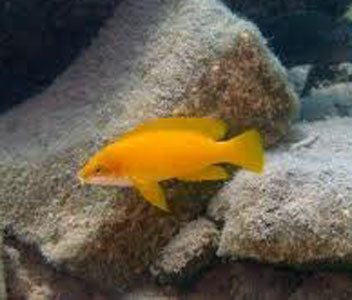
Neolamprologus Mustax
A$12.95
A$12.95
3-5cm
Description
The Neolamprologus mustax is a striking cichlid species endemic to Lake Tanganyika, admired for its vibrant yellow body and distinctive blue highlights on the fins and face. Known for its relatively peaceful temperament compared to other Tanganyikan cichlids, it is a popular choice for both beginners and experienced aquarists.
Features of Neolamprologus mustax
Grows up to 10 cm in length
Bright yellow body with subtle blue markings on fins and face
Compact, laterally compressed body typical of the genus
Generally peaceful but territorial during breeding
Hardy species well-suited to Lake Tanganyika water conditions
The Best Aquarium Size for Neolamprologus mustax
A minimum aquarium size of 100 litres is recommended to provide sufficient swimming space and territory for a pair or small group.
Tank Mate Compatibility for Neolamprologus mustax
Compatible with peaceful to moderately territorial Tanganyika cichlids, such as:
Neolamprologus brichardi
Julidochromis species
Lamprologus species
Cyprichromis species
Chalinochromis species
Avoid overly aggressive or much larger species that may intimidate or stress this cichlid.
Diet for Neolamprologus mustax
Omnivorous diet including high-quality pellets or flakes supplemented with live or frozen foods such as brine shrimp, daphnia, and bloodworms.
Aquarium Setup for Neolamprologus mustax
Aquarium Filtration
Efficient biological and mechanical filtration is essential to maintain pristine water quality and oxygenation.
Aquarium Plants
Plants are generally not a focus in Tanganyika biotopes; however, hardy or artificial plants can be used sparingly.
Aquarium Lighting
Moderate lighting supports natural behaviour and coloration.
Aquarium Heating
Maintain water temperatures between 24°C and 27°C to replicate natural habitat conditions.
Aquarium Substrate
Fine sand or small gravel substrate mimics the rocky lakebed environment.
Aquarium Decorations
Rock formations with caves and crevices provide vital territory and breeding sites, encouraging natural behaviours and reducing aggression.