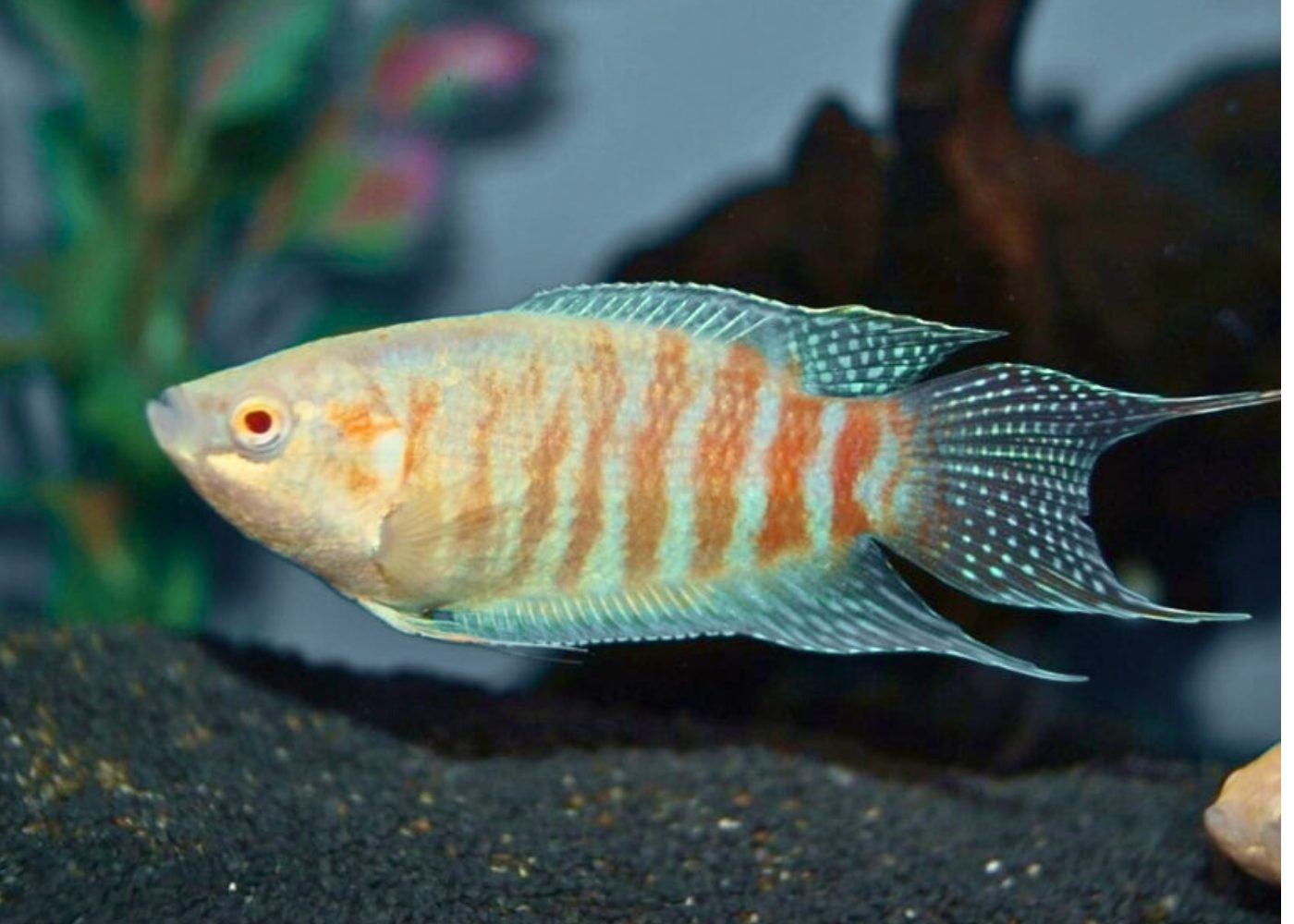
Paradise Fish - Albino
A$14.95
A$14.95
5-6cm
Description
The Albino Paradise Fish (Macropodus opercularis var. albino) is a unique and visually striking variation of the classic Paradise Fish, known for its pale, creamy-white body, red-orange finnage, and distinct red eyes. This labyrinth species originates from slow-moving streams and rice paddies across East and Southeast Asia. Although hardy and adaptable, the Albino Paradise Fish is semi-aggressive and best suited for aquarists with some experience in managing territorial species.
Features of the Albino Paradise Fish
Grows up to 10 cm in length
Distinct albino coloration with long, flowing fins and red eyes
Possesses a labyrinth organ, allowing it to breathe atmospheric air
Semi-aggressive, especially males during breeding or in confined spaces
Lifespan of 6–8 years with proper care
The best aquarium size for the Albino Paradise Fish
A single Albino Paradise Fish should be housed in a tank of at least 60 litres. For a pair or community setting, a 100-litre or larger tank with well-defined territories is recommended to reduce aggression. A longer footprint is preferable over vertical height.
Tank Mate Compatibility for the Albino Paradise Fish
Due to their territorial nature, tank mates should be selected with caution. Avoid other labyrinth fish or slow-moving species with long fins. Ideal companions include:
Zebra Danios
Bronze Corydoras
White Cloud Mountain Minnows
Rainbowfish (smaller species)
Hillstream Loaches
Diet for the Albino Paradise Fish
Omnivorous and eager feeders, these fish thrive on a varied, high-quality diet:
Floating pellets and flakes formulated for tropical fish
Frozen or live foods such as bloodworms, daphnia, and brine shrimp
Occasional vegetable matter (blanched spinach or spirulina-based foods)
Feed 1–2 times daily in small portions to prevent overfeeding.
Aquarium Setup Albino Paradise Fish
Aquarium Filtration
Moderate filtration is ideal. Use a sponge filter or adjustable internal filter that doesn’t produce strong currents, as this species prefers slow-moving water.
Aquarium Plants
Live plants such as Vallisneria, Java fern, and Anubias offer cover and reduce stress. Floating plants like Salvinia or Amazon frogbit are also beneficial and mimic natural shade.
Aquarium Lighting
Moderate lighting is best. Avoid excessive brightness, which can stress the fish, especially in less densely planted tanks.
Aquarium Heating
Maintain water temperatures between 22°C and 26°C. Although relatively tolerant of cooler water, consistent warmth promotes better colour and activity.
Aquarium Substrate
Use fine gravel or sand for a natural appearance. Substrate colour can influence fish behaviour—darker substrates often help reduce stress and enhance colour contrast.
Aquarium Decorations
Incorporate driftwood, smooth rocks, and dense plant clusters to create hiding spots and break up lines of sight. Ensure sufficient open swimming space while allowing retreat zones to minimise territorial disputes.