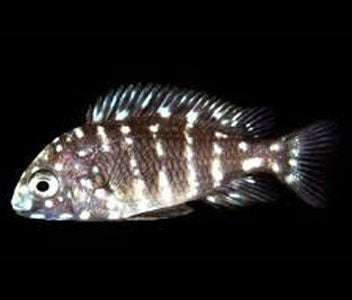
Tropheus Duboisi - Fire fox
A$14.95
A$14.95
3-4cm
Description
The Tropheus duboisi – Fire Fox is a striking cichlid species from Lake Tanganyika, admired for its vivid coloration and distinctive patterns. Originating from the rocky coastal regions, this fish is known for its fiery red and orange hues combined with a dark body, making it a standout in any Tanganyika biotope aquarium.
Features of Tropheus duboisi – Fire Fox
Reaches up to 12 cm in length
Body displays intense red and orange coloration with a contrasting dark base
Laterally compressed with a robust, stocky build typical of Tropheus species
Territorial and social, requiring stable group dynamics
Exhibits strong grazing behaviour on algae-covered surfaces
The Best Aquarium Size for Tropheus duboisi – Fire Fox
A minimum aquarium size of 200 litres is recommended to house a group comfortably, allowing space for territorial establishment.
Tank Mate Compatibility for Tropheus duboisi – Fire Fox
Best kept with other similarly sized and temperament Tanganyika cichlids such as:
Other Tropheus species
Neolamprologus species (peaceful varieties)
Julidochromis species
Cyprichromis species
Altolamprologus calvus (with caution)
Avoid overly aggressive or much larger cichlids that may stress or outcompete this species.
Diet for Tropheus duboisi – Fire Fox
Primarily herbivorous; requires a diet rich in vegetable matter. Spirulina-based flakes or pellets supplemented with blanched vegetables support optimal health and coloration.
Aquarium Setup for Tropheus duboisi – Fire Fox
Aquarium Filtration
Efficient biological and mechanical filtration is necessary to maintain water quality and oxygen levels suitable for this active species.
Aquarium Plants
Plants are generally discouraged as Tropheus species tend to graze on them and may uproot or damage them. Focus on rocks and algae growth for natural grazing.
Aquarium Lighting
Moderate lighting encourages natural algae growth, an important part of their diet and wellbeing.
Aquarium Heating
Maintain stable temperatures between 24°C and 27°C to replicate their natural tropical lake habitat.
Aquarium Substrate
Fine sand or small smooth gravel substrate mimics their natural environment and facilitates natural behaviours.
Aquarium Decorations
A rocky aquascape featuring caves, crevices, and flat surfaces supports territorial behaviour, natural grazing, and provides shelter for this species.